 Alejandro Gonzalez
Starting a product can get complicated very quickly. You have the idea. Then you need somewhere to design it, somewhere to build it, a database, authentication, hosting, domains, emails, analytics, payments and probably three other things you did not think about on day one.
I have been through this a few times now, both working on products for clients and trying to build my own. Over time, I noticed that I kept reaching for a very similar setup.
I am not saying this is the stack every startup needs. It is simply the one I would probably use if I had to start another product tomorrow.
Figma and Figma Make
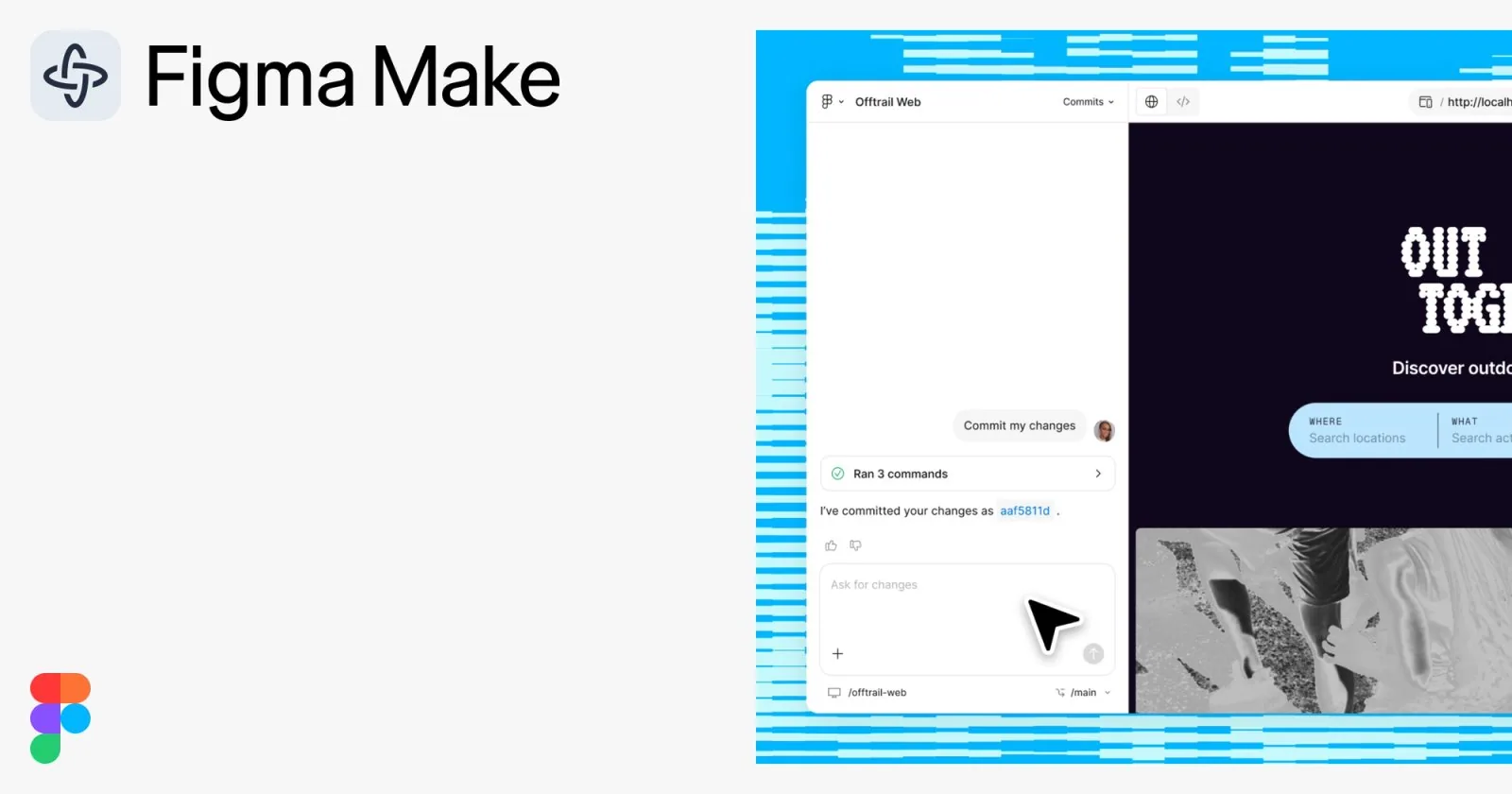
This is usually where I start. Figma is still where most of the real design work happens for me. Flows, interfaces, components and all the small decisions that slowly turn an idea into a product.
Figma Make changed part of that process. I can describe an idea, generate something interactive and start questioning it much earlier. I have used this during discovery with clients when we needed to understand a feature quickly. The generated result rarely becomes the final interface. What matters to me is having something concrete on screen, because a clickable version makes conversations much easier than discussing an idea that everyone might be imagining differently.
Next.js and Tailwind
https://nextjs.org/ and https://tailwindcss.com/

At some point the prototype needs to become something real, and Next.js and Tailwind have become a comfortable combination for me here.
Coming from product design, Tailwind feels close enough to the way I already think about interfaces. Spacing, typography, states and responsive behavior are visible directly in the implementation.
Next.js gives the product the structure around that interface. I do not need to understand every part of the framework before starting. I can build one piece, see it working and slowly expand from there.
Claude Code
https://claude.com/product/claude-code

This is probably the tool that changed my relationship with development the most. I can work directly inside a real codebase, ask questions about something I do not understand, make changes and inspect what happened. That has reduced the distance I used to feel between designing something and building it.
There is still a big difference between understanding an interface and understanding everything happening behind it. I run into that difference constantly. Claude Code gives me a way to keep moving when I reach those areas.
Supabase
Then comes everything the interface needs to remember. Users need accounts. Products need data. Orders need somewhere to exist. Images need storage. Permissions start appearing.
Supabase has become my usual starting point for that part. I have used it across different personal projects for databases, authentication and storage, and what I like is that I can see what is happening. As a designer who did not start his career working with databases, being able to open a table and literally see the information makes the backend feel much less distant.
Netlify
Eventually I need to send someone a link. That might be a client, a friend helping me test something or just me opening the product from another device. Netlify has been my usual place for that. Connect the repository, deploy the project and suddenly the thing that was running locally has a real URL.
Once a project grows, domains, DNS and other configuration start appearing. I have learned some of those parts because I had to deal with them. For an early product, though, the main thing I care about is getting from local to online without turning deployment into another project.
Then I Add What the Product Needs
This is where the stack starts changing. One product might need Resend for emails. Another might need Mercado Pago or Stripe for payments. Another could need analytics, maps, WhatsApp or some external API.
I prefer starting without those decisions when I can. Figma, Next.js, Tailwind, Claude Code, Supabase and Netlify already cover a surprising amount of what I need to turn an idea into something another person can open and use. The rest starts appearing once the product gives me a reason for it.
A few years ago, building something by myself felt much further away from my work as a designer. Now the line feels much thinner. I still spend a lot of my time thinking about flows, interfaces and people. I just have a few more tools around me that let those ideas leave Figma and become something real.