 Alejandro Gonzalez
Design today is less about following a fixed method and more about adapting in real time. This is a reflection on how AI, new tools, and real project constraints are quietly reshaping the way I think, design, and work.
When time pressure changes everything ⏱
One of the clearest moments where my process started to change was under time pressure. A tight deadline, a discovery phase that had to be delivered in two weeks, and the expectation to land requirements, estimates, and high‑level designs that actually made sense.
That was the moment when new AI tools started to feel less like experiments and more like real support 🛟. Not because they replaced thinking, but because they helped me move faster where speed actually mattered.
Research stopped being a linear task
One of the biggest shifts for me happened during research. When working on very specific niches or industry standards, 🔍 deep research tools allowed me to explore faster and better. Instead of spending hours jumping between links, competitors, and documents, I started using AI as a parallel process.
It helped me surface relevant resources earlier and spend my time validating and understanding them, not just finding them. This changed how research fits into my flow. It’s no longer a long, isolated phase. It runs alongside design and decision‑making.
From wireframes to high fidelity sketches 🖼️
Another big change showed up in how I design and present ideas during discovery. I spend less time creating traditional wireframes and sketches, and more time building high‑fidelity prototypes early on. Tools like Figma Make make this possible without a huge time investment.
This works especially well with clients who are not used to agile or design methodologies. Clicking through a prototype is easier than interpreting abstract wireframes. I always make it clear that these are first versions ‼, sketches, not final designs. The goal is understanding, not polish 😗
Clients no longer come empty handed
Something that still surprises me is how often clients now arrive with prototypes of their own 😳 Links created with AI tools, clickable demos, or rough flows they used to explain their idea. This completely changes the conversation.
Instead of starting from nothing, we start from something concrete. The designer’s role shifts from translation to refinement.
Better deliverables, not just faster ones
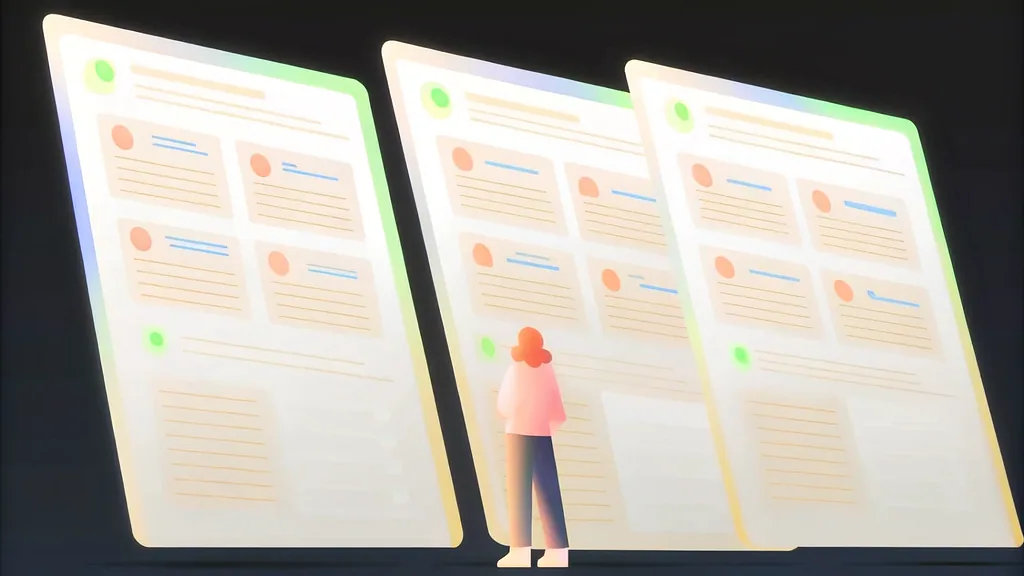
In POC and discovery projects, the real value is not speed alone. AI helps improve the quality of deliverables that matter most:
clearer understanding of the problem
better estimates
stronger documentation
user stories that actually reflect real needs
The result is not just faster output, but better alignment 🤝
Processes became more flexible
Design processes were never meant to be rigid, but today they are clearly more adaptable 🧩.
AI allows teams to adjust methods depending on the project. Discovery, POCs, and early explorations benefit the most. End‑to‑end production work still needs careful, human execution.
Knowing when to use AI and when to step back is now part of the craft.
What stays human 🧠
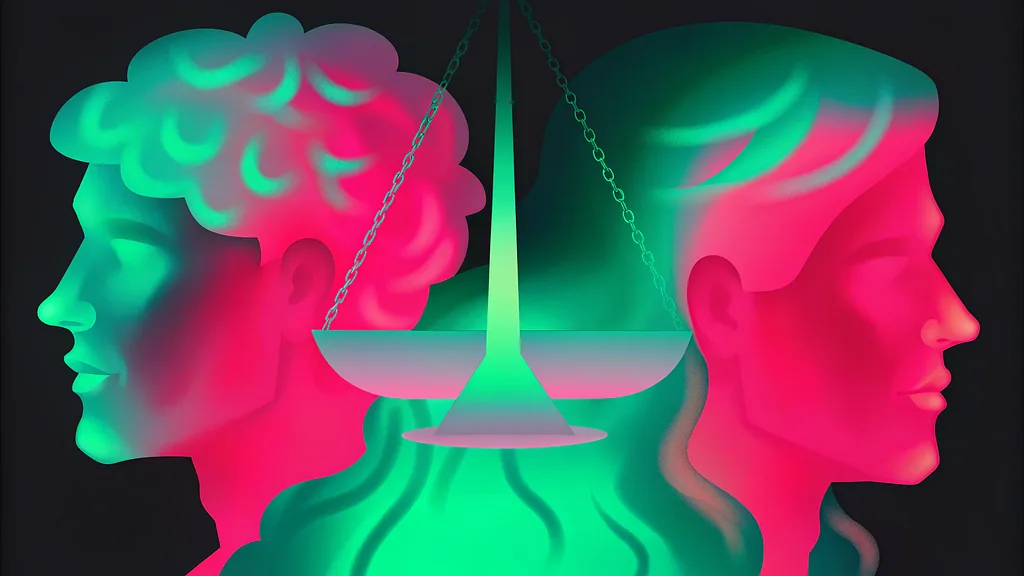
Despite all these changes, some things remain fully human. Understanding context. Making trade‑offs. Deciding what matters. AI supports the process, but direction, judgment, and responsibility stay on our side 😎.
As we say in 🇺🇾 Uruguay, “cada cosa a su tiempo”. It means knowing when something fits and when it doesn’t.
That balance is what design processes are adapting to in 2026.