The challenge
Nothing is held in stock, so a garment takes fifteen to twenty days to make. The catalog was a PDF in a Drive folder, too heavy for a phone, and orders arrived as Instagram and WhatsApp messages. Shopify and the bigger payment platforms were out, on cost and on principle: using them meant bending the brand to fit the software, and Piberio wanted it the other way round.
Our approach
We looked at the logistics rather than the visuals. Three problems came out of it: the catalog was working against them, orders had no single place to live, and the production wait was silent for the buyer. So the job became the smallest thing that fixed the three problems and that they could run without us.
Three problems, not the one they described
We thought we were building a better catalog
After the first couple of conversations it was obvious the real problem started after someone decided to buy. So we spent longer than planned on the ordering side, and the scope kept moving while we prototyped.
Getting to know Piberio
- First call
- The brand and who buys it
- Where the mess starts
Deciding what it was
- Their problems, their words
- Proposal
- Scope we both agreed on
Drawing it
- Rough shapes
- Real screens
- Rounds with them
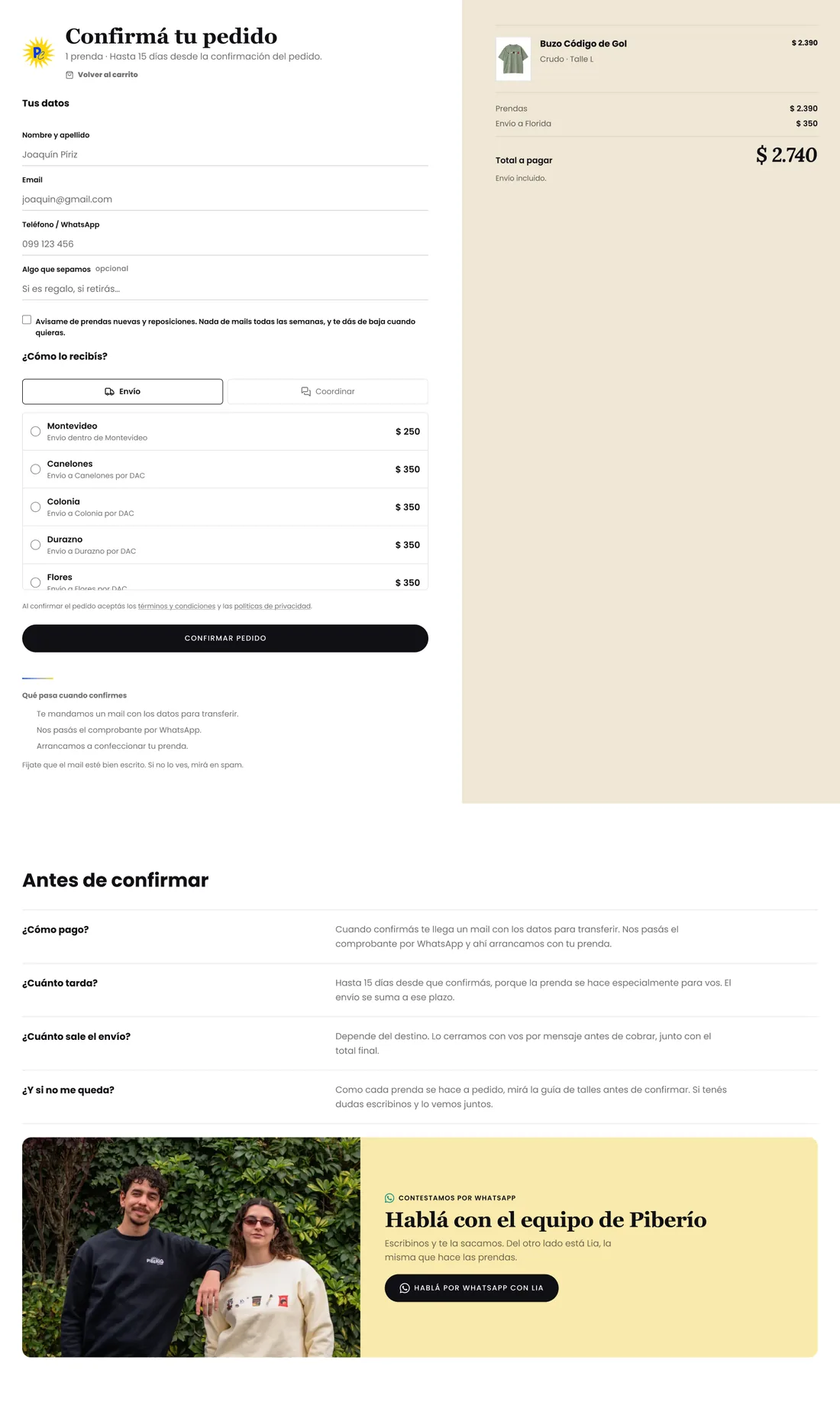
The site first
- Visual language
- Storefront
- Technical decisions
Then the backoffice
- Built to fit the site
- Self-managed
- Support and new features
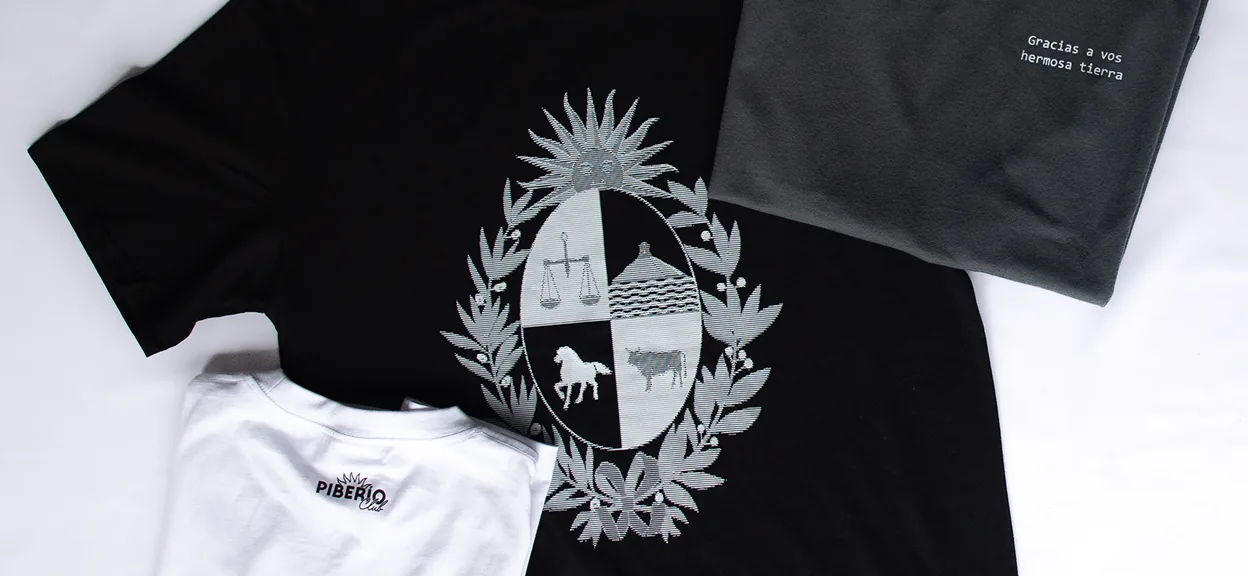
How we approached it
The buyer, and the team behind the order
One order is a purchase on one side and two weeks of work on the other.
Buyer
- Role
- Found the brand on Instagram and wants a garment that sounds like home.
- Motivations
- Wants to see everything on sale, with the price and the sizes, without downloading anything.
- Behaviour
- Buys from a phone, and writes a DM whenever the site does not answer the question.
- Pain points
- Pays for a made-to-order garment, then hears nothing for two weeks and starts to doubt the order exists.
Piberio team
- Role
- Runs a clothing brand without an admin structure behind it.
- Motivations
- Needs to know what was ordered, who paid, what is with the supplier and what goes out this week.
- Behaviour
- Counts in spreadsheets, coordinates by WhatsApp, works in drops rather than in warehouse stock.
- Pain points
- Loses an order between an Instagram message, a transfer screenshot and a row somebody forgot to update.
Product thesis
Piberio did not need a bigger platform. It needed its catalog to open on a phone, its orders in one list, and its own voice still talking while a garment is being made. Everything else was left out on purpose.
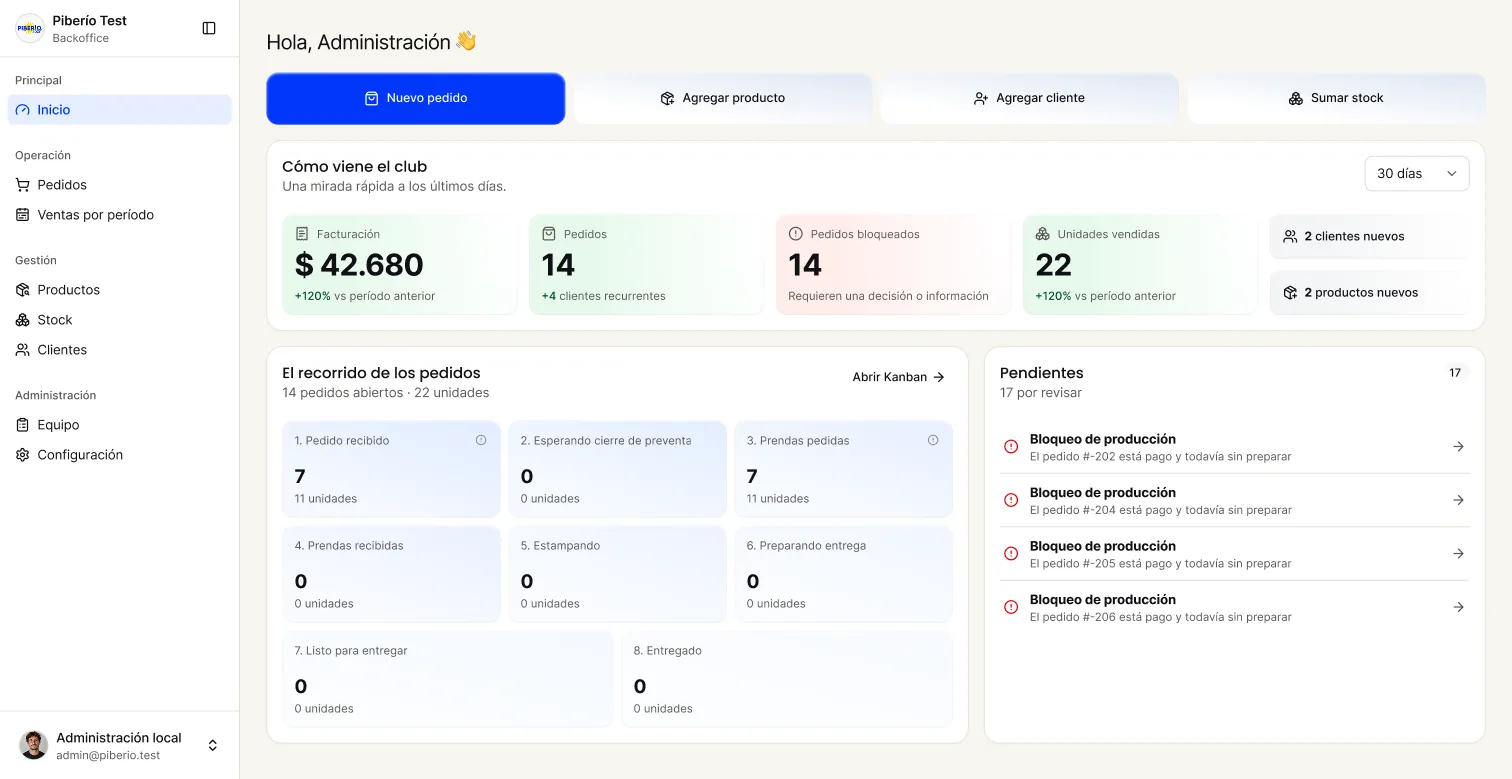
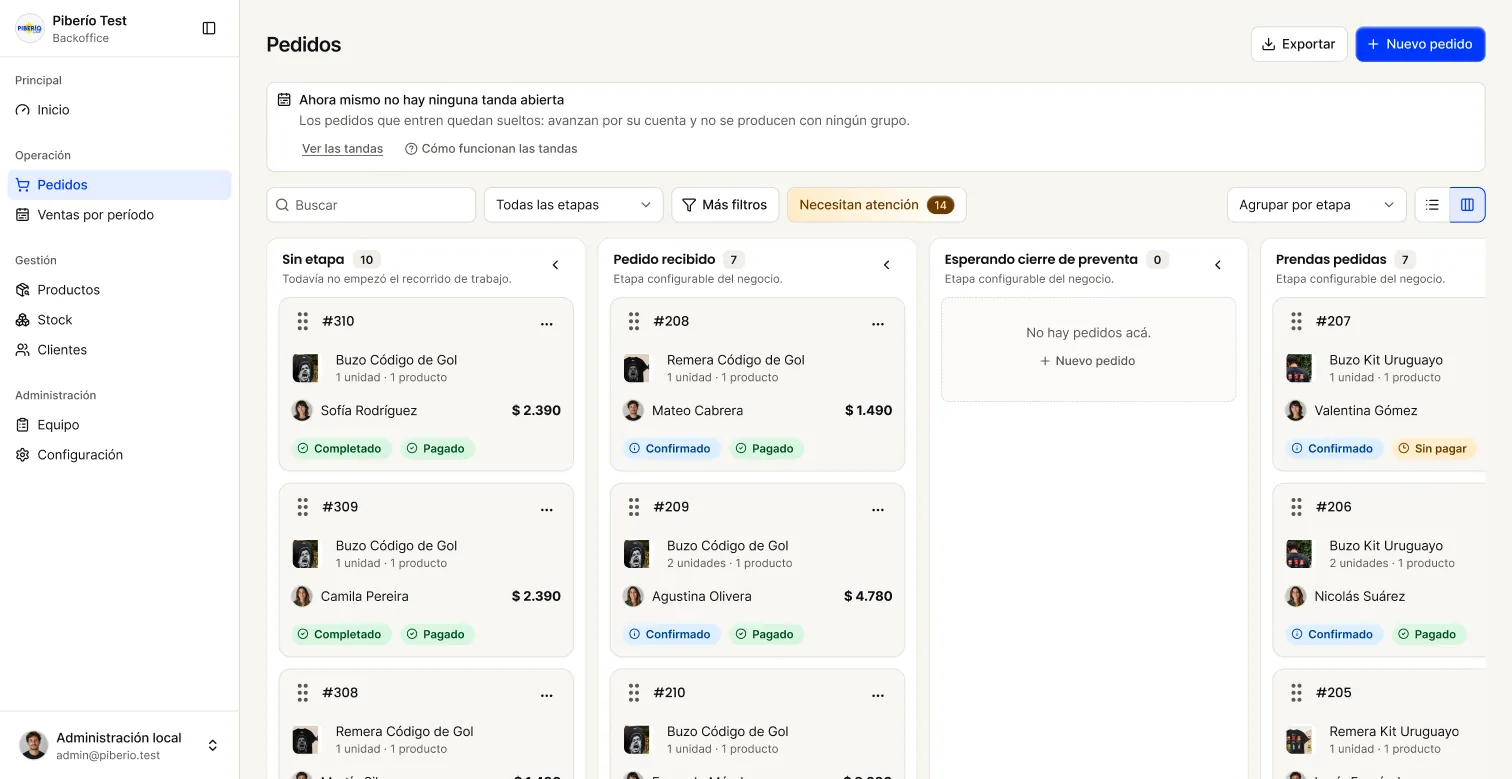
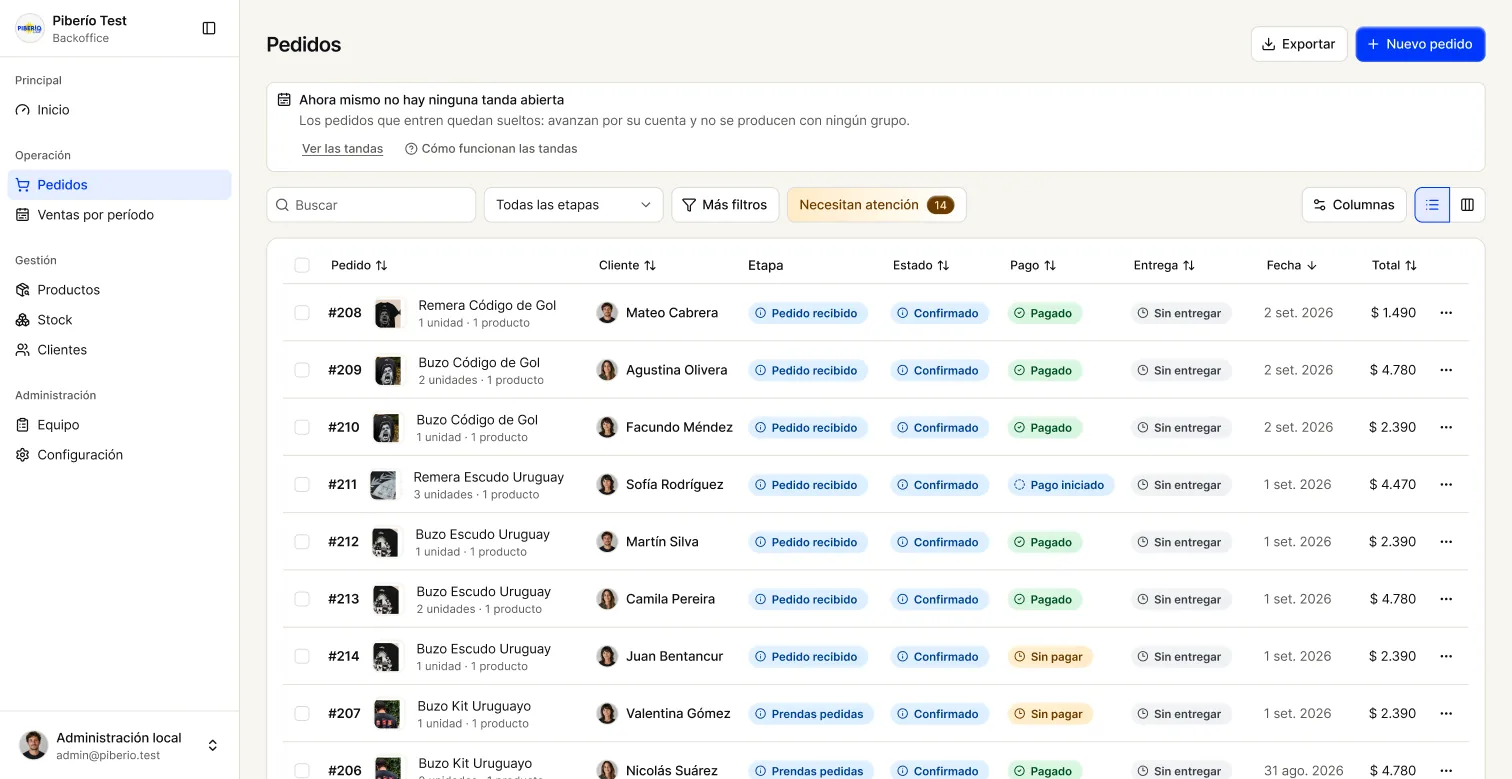
From scattered orders to one workflow
Compared with what came before: a Drive folder, a spreadsheet and a WhatsApp thread per order.
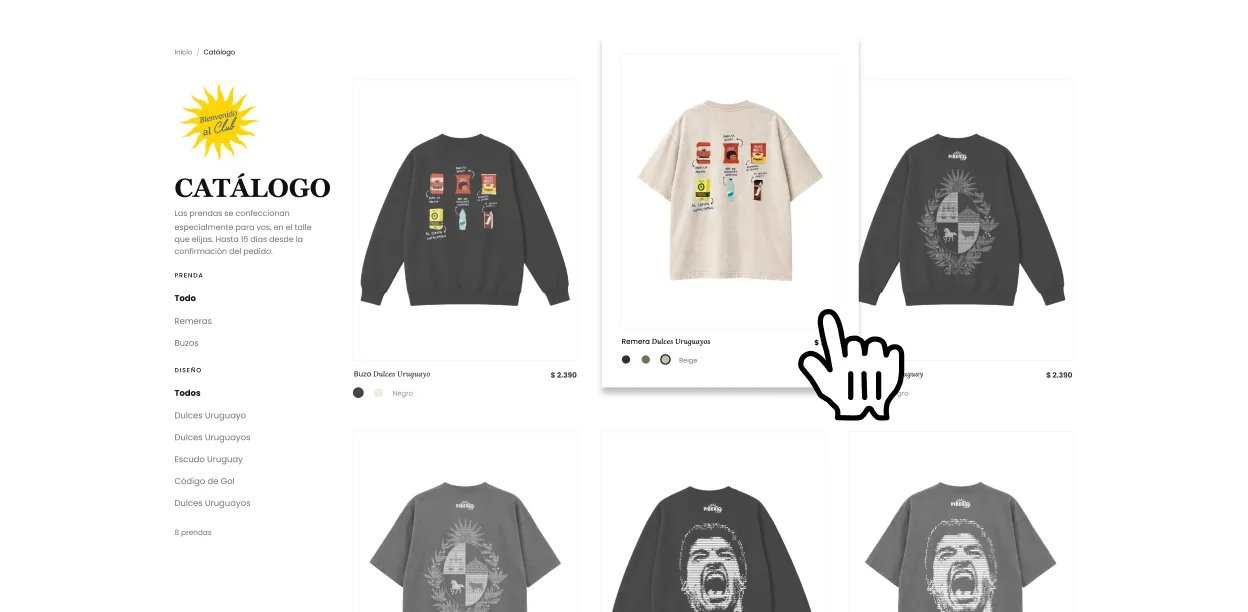
- The catalog stopped being a PDF
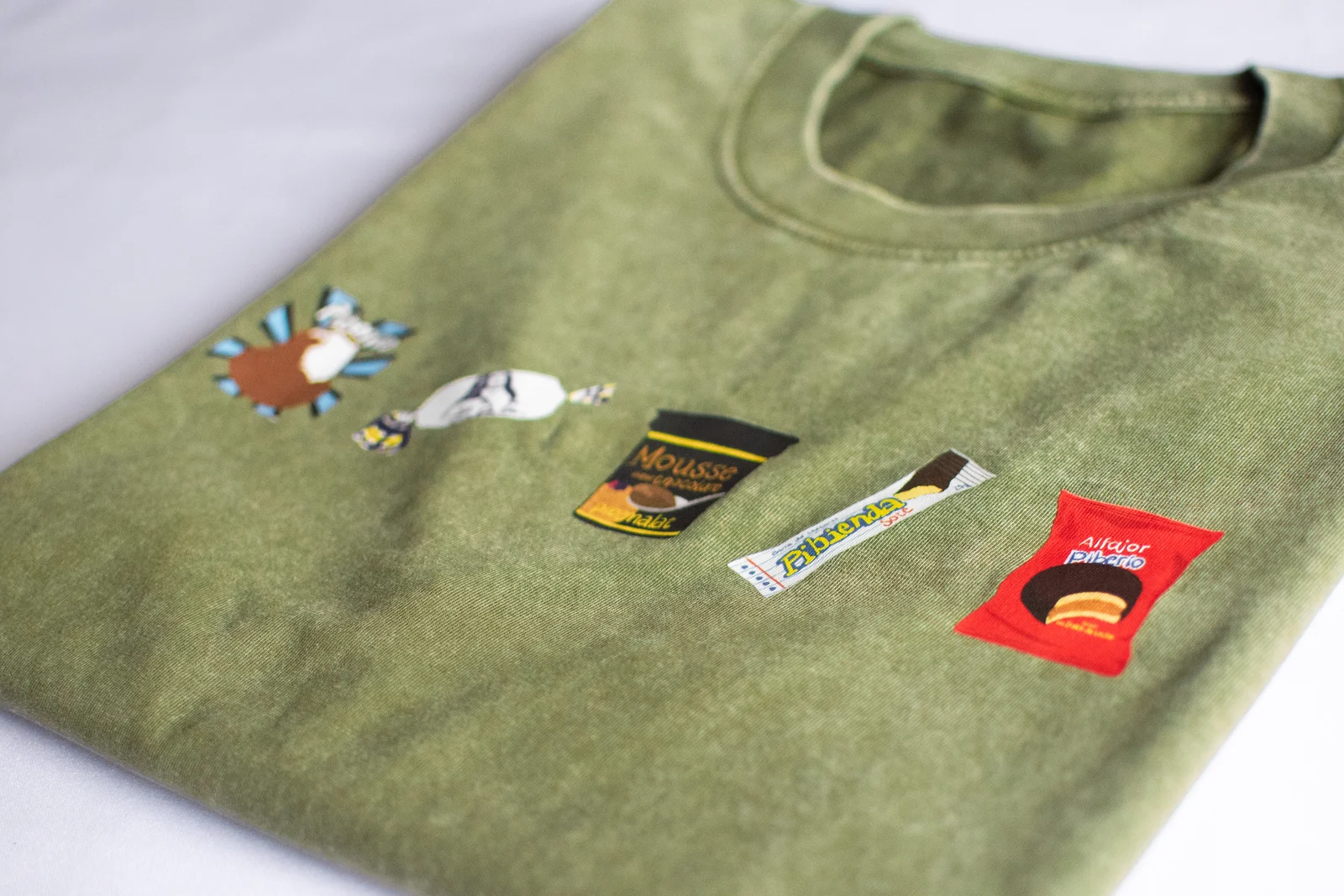
- Garments, prices, colours and photography live on the site, edited by the team. Nobody re-exports a PDF to change a price.
- Orders moved into one manageable workflow
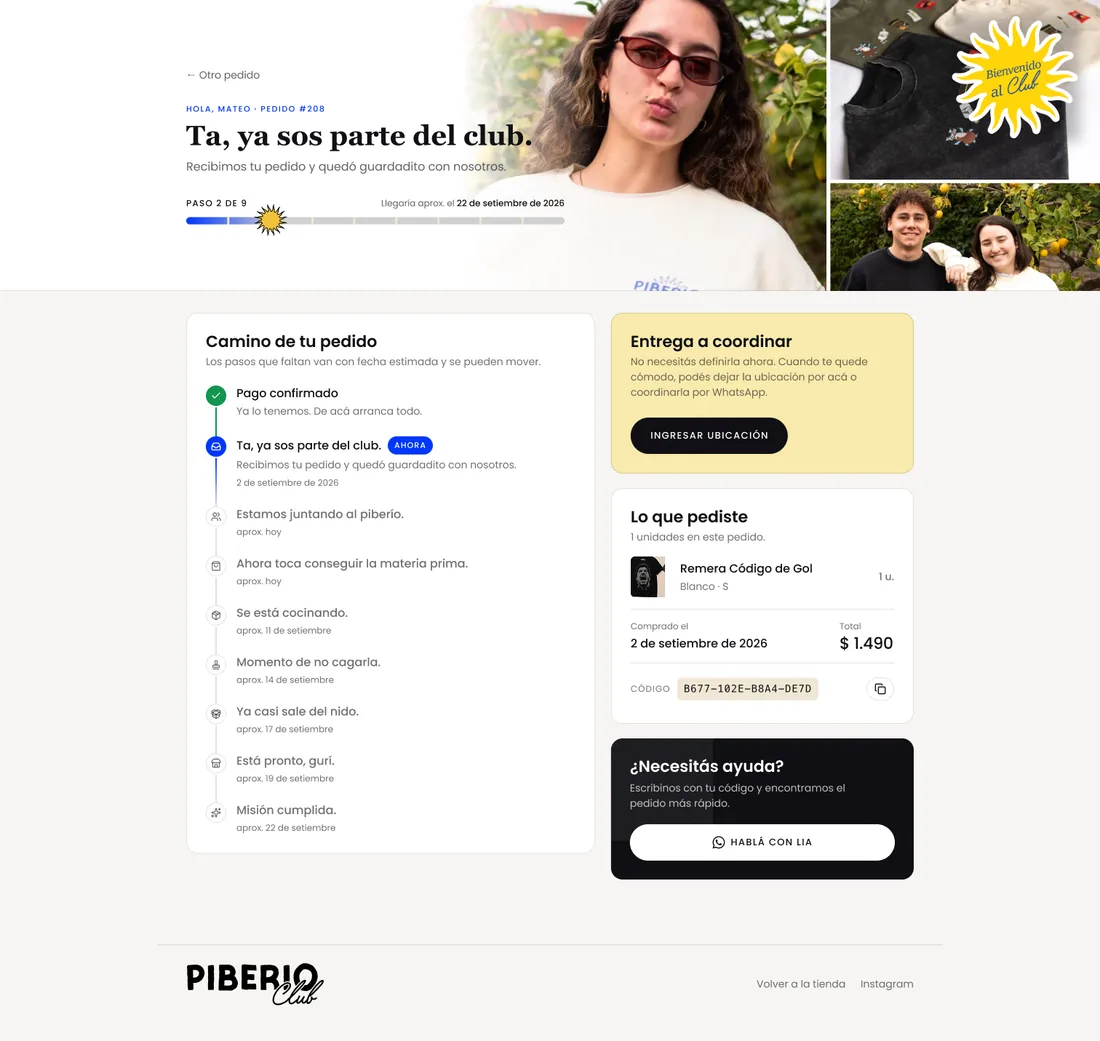
- A number and a state, visible from payment through production to delivery. The team stopped asking each other who was handling it.
- Payment issues became visible
- Filters pull out the orders stuck waiting on a transfer, so chasing one is a short list rather than a scroll.
- Customers could follow production
- A code and a run of emails cover the fifteen to twenty days a garment takes, in the brand's own voice.
- Existing spreadsheet work stayed intact
- Orders import and export as Excel, so moving in did not mean giving up how the team already counted.
- Ownership stayed with the business
- No Shopify plan, no seat tiers, no checkout to reshape the brand around. Theirs to run and to extend.
One order, start to finish
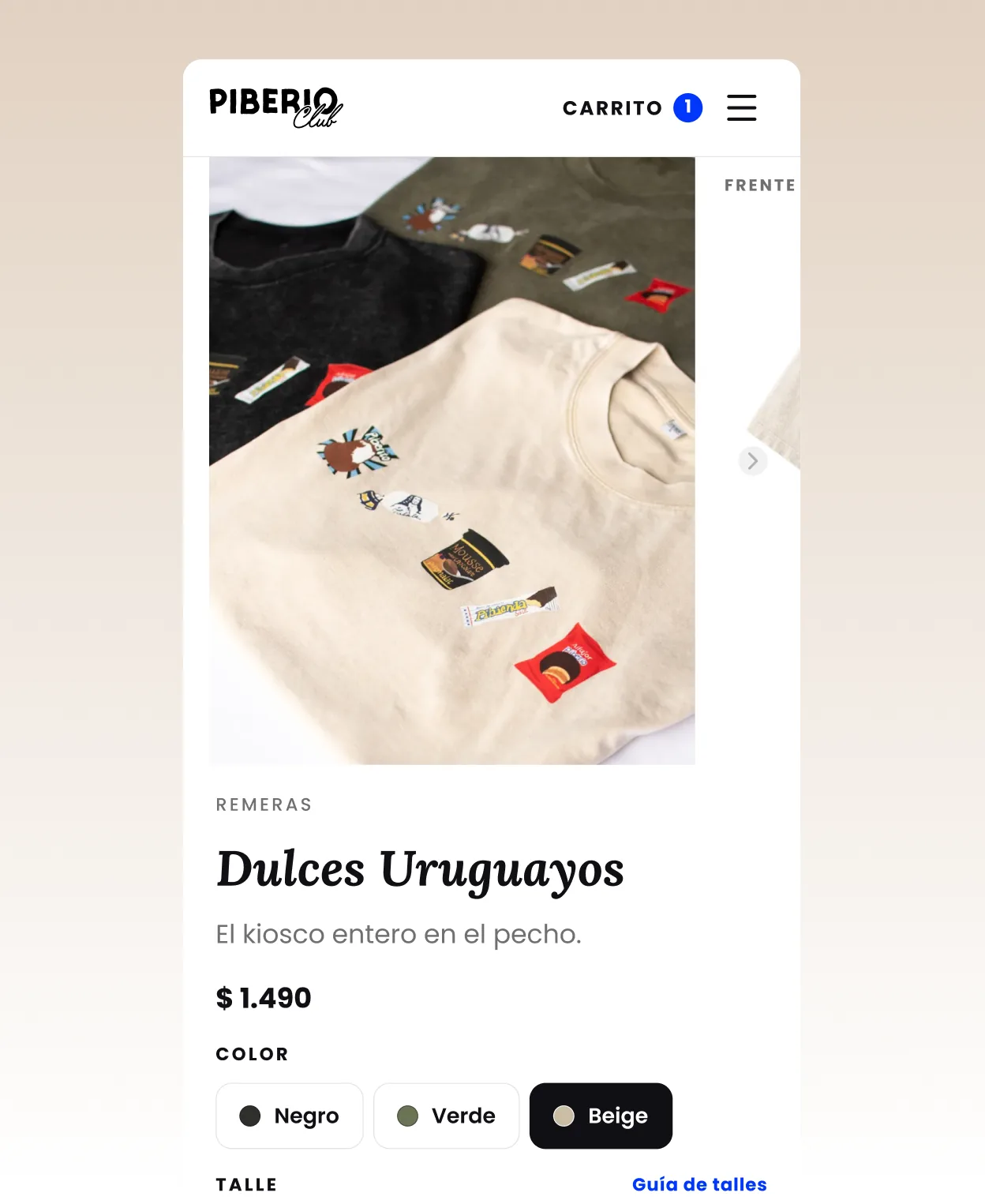
Someone sees a drop on Instagram, opens the catalog on their phone, confirms a size. The order lands in the backoffice with a number. Payment is marked, the garment goes into production, and the buyer follows it by code while the emails do the explaining.
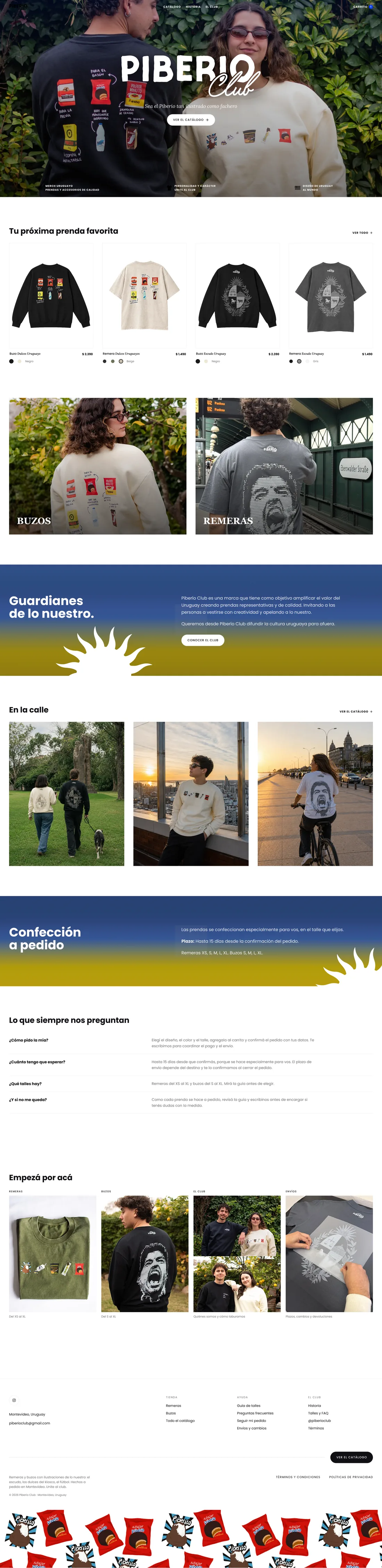
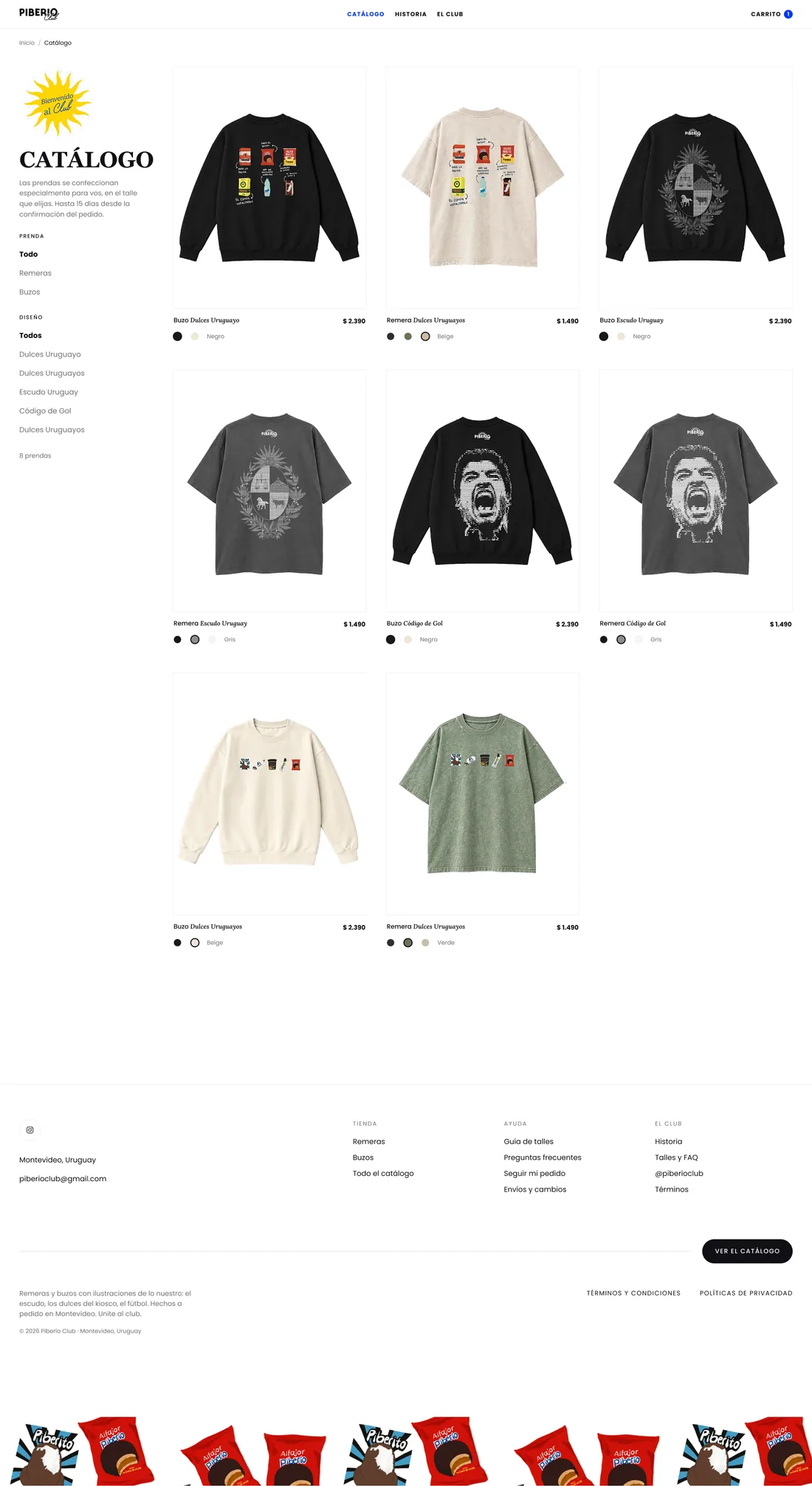
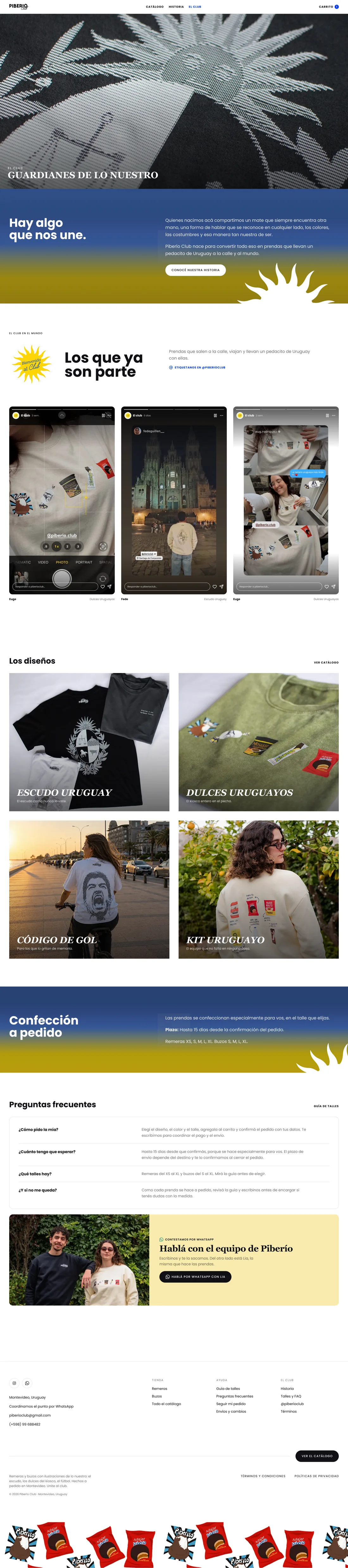
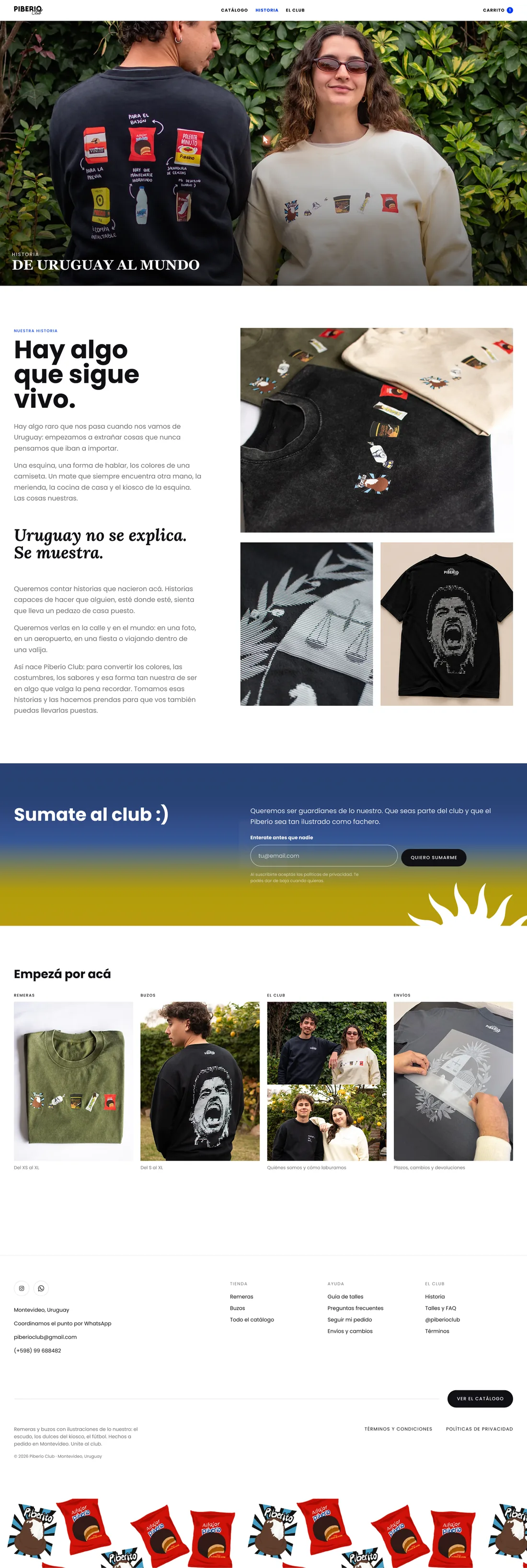
The site, page by page
Six surfaces, from landing off an Instagram story to watching a garment being made. Each at full length.
Colour and type
- Electric blue0037FB
- Sun yellowFFD60A
- Ink101014
- PaperFFFFFF
- Raw cottonE8DCC8
Brand
Sitka Banner
The display family used for large campaign headlines and cultural storytelling.
Interface
Poppins
The body and UI family used across catalog, checkout, tracking, forms and backoffice controls.
Accent
Sitka Display
The italic accent voice used for brand moments.



The catalog is live and edited by Piberio: prices, photos and new drops go up without a developer. Orders moved from messages and spreadsheets into one workflow with a number, state and owner. Buyers follow a garment by code and by email through the fifteen to twenty days it takes. The business runs on a tool it owns, not a platform it has to reshape itself around.
See it live