SaaS
NIVIAN
- Product strategy
- Information architecture
- Design system
- Role
- Industry
- Year
- Product strategy, IA, UX/UI
- SaaS
- 2026
Project overview01
A barber wanted his own software instead of adapting to someone else's.
The scheduling market is settled: a shop picks an agenda off the shelf and adapts itself to whatever the software already assumes. Our client, a barbershop owner, wanted it the other way round, and had the means to do it. He asked Painted Birds to act as his software studio and turn the idea into a product.
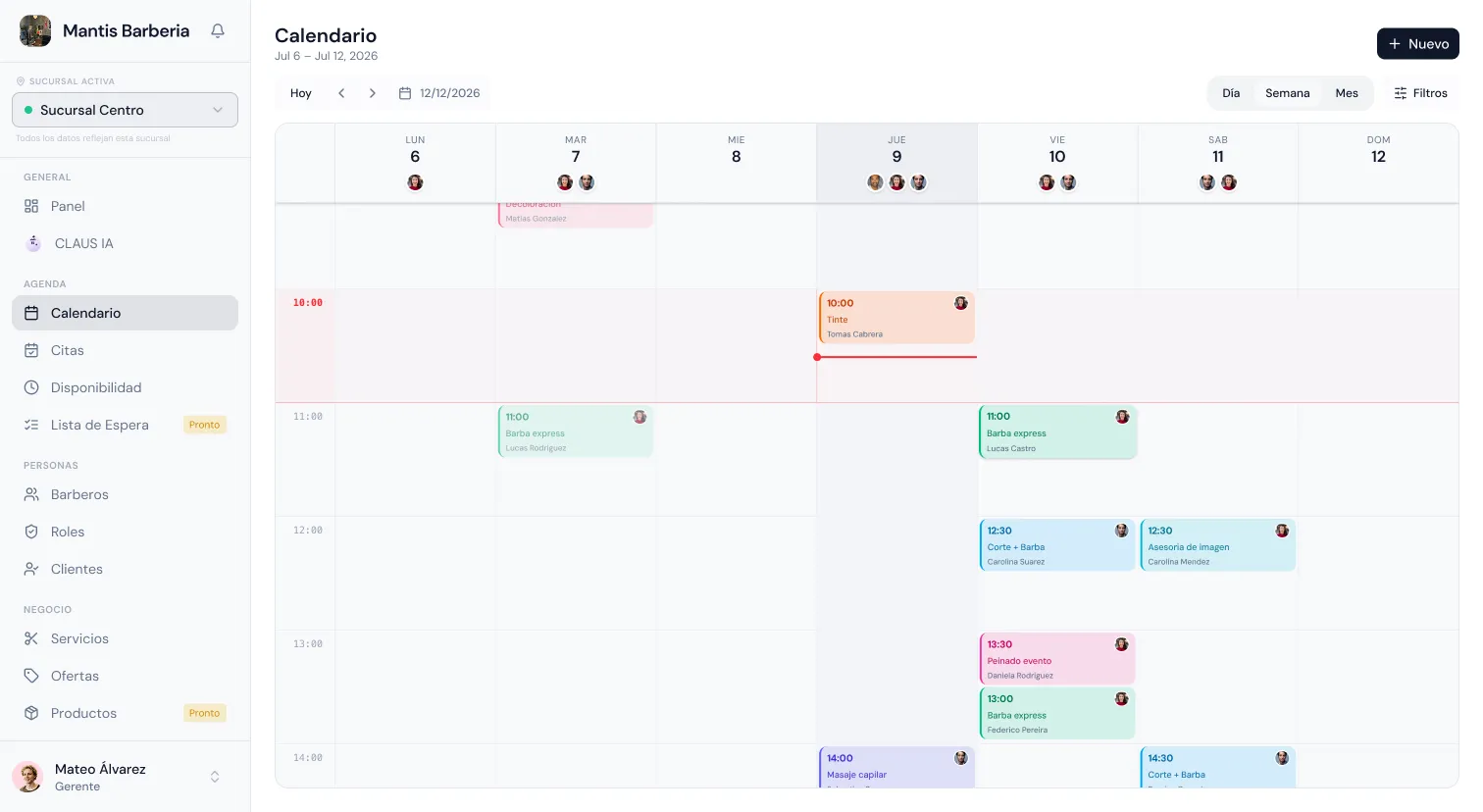
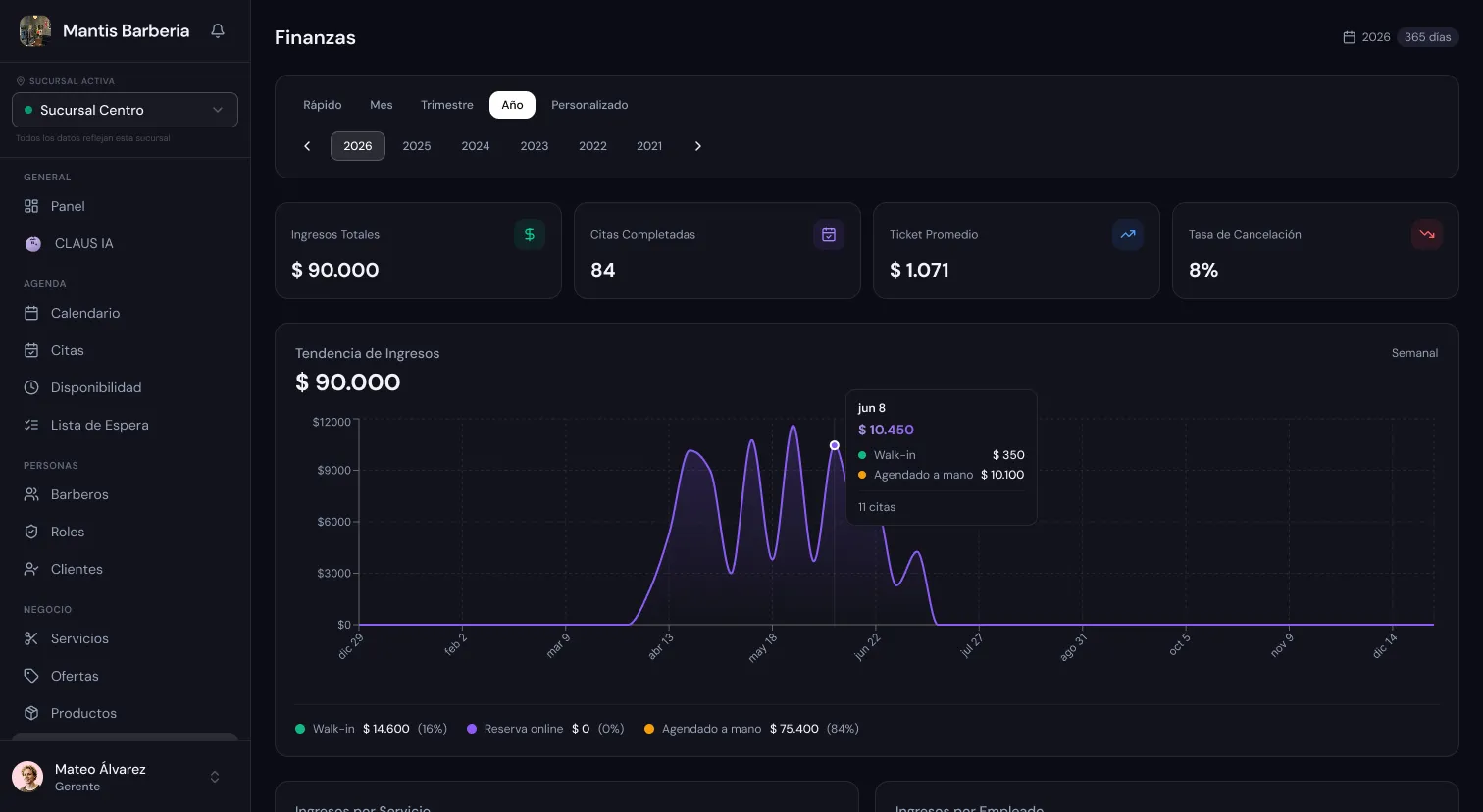
Working directly with the owner, we led product strategy and design: the booking flow, backoffice, role model, loyalty mechanics and the system that keeps them consistent as the product evolves.
The challenge02
A generic scheduler ends the relationship at the appointment. You book, you get your hair cut, you leave, and the shop knows nothing more about you than before. A barbershop does not need another CRM. It needs to remember people the way a good barber already does, and that is what we set out to build.
At a glance03
Most booking tools are obsessed with the booking
Where it broke
Barbershops adapt to the software they rent. Appointments ran through WhatsApp, Instagram and paper notebooks, and none of it left anything behind: no history, no relationship, no reason to come back beyond the haircut itself.
Beyond the booking
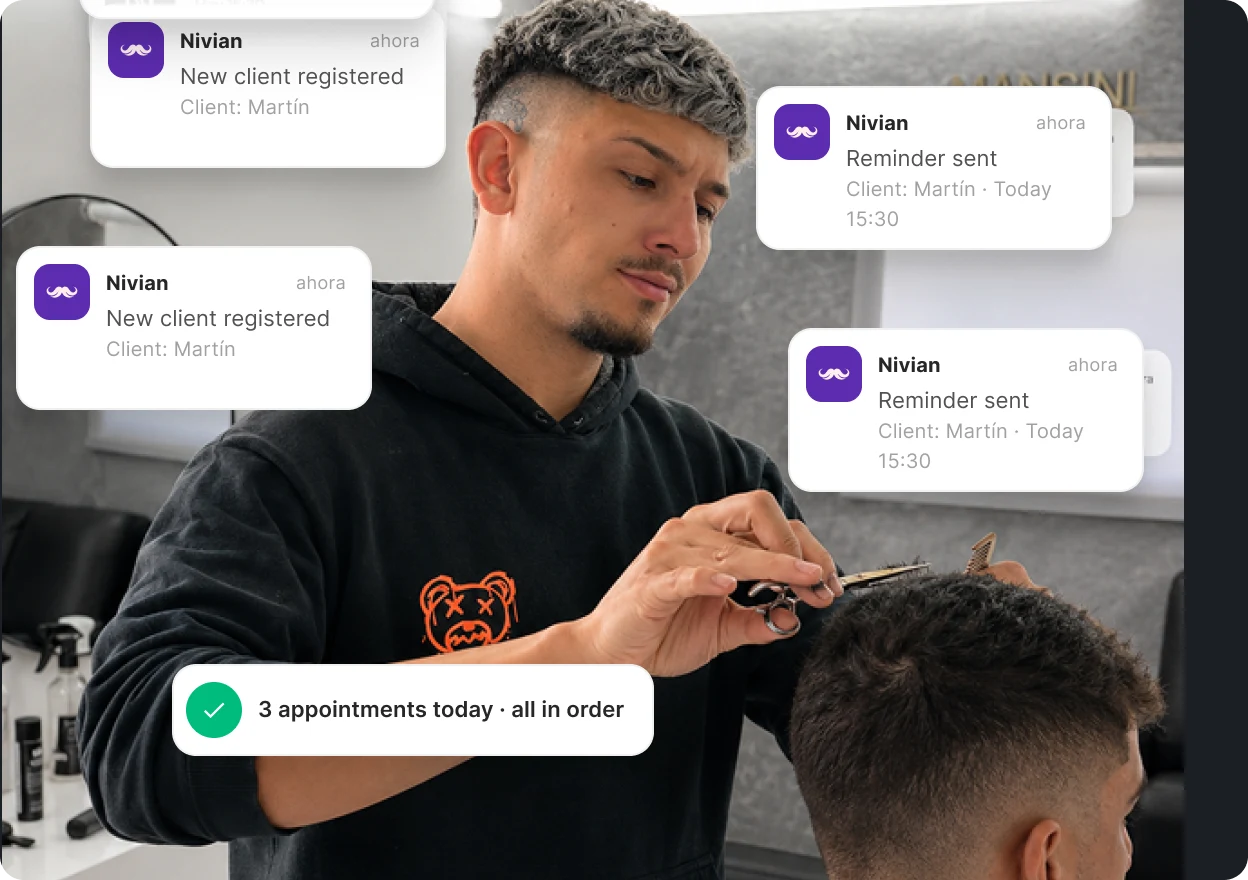
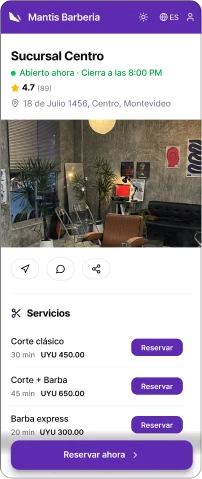
Booking works end to end without an account, and the product keeps going after it: loyalty, offers, and a channel that stays open between visits. Four roles get four different products out of the same system.
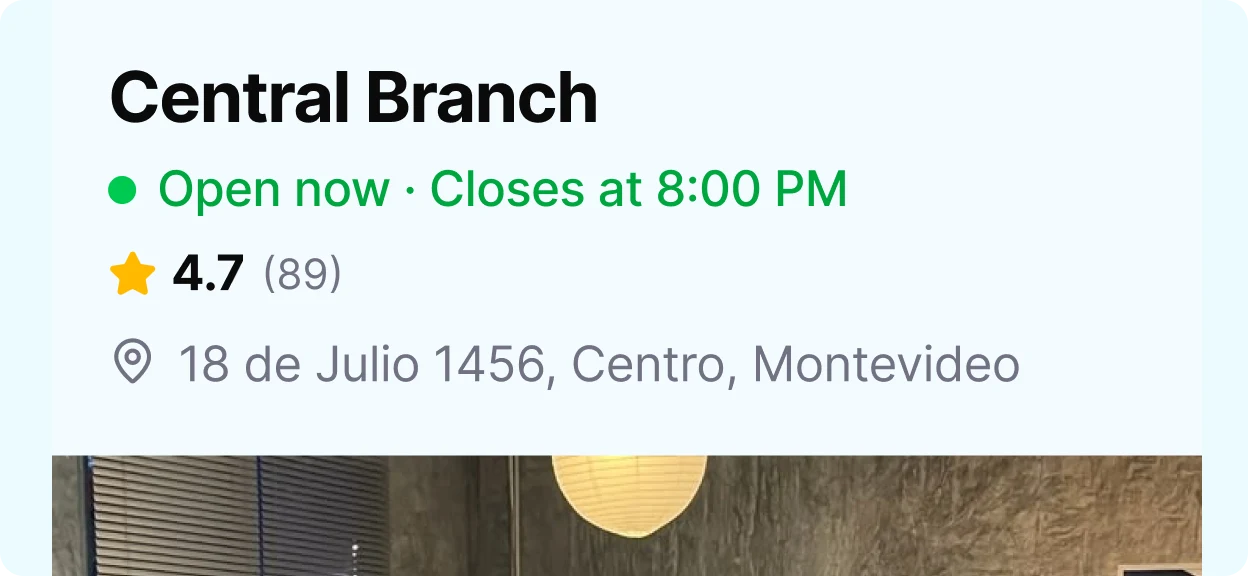
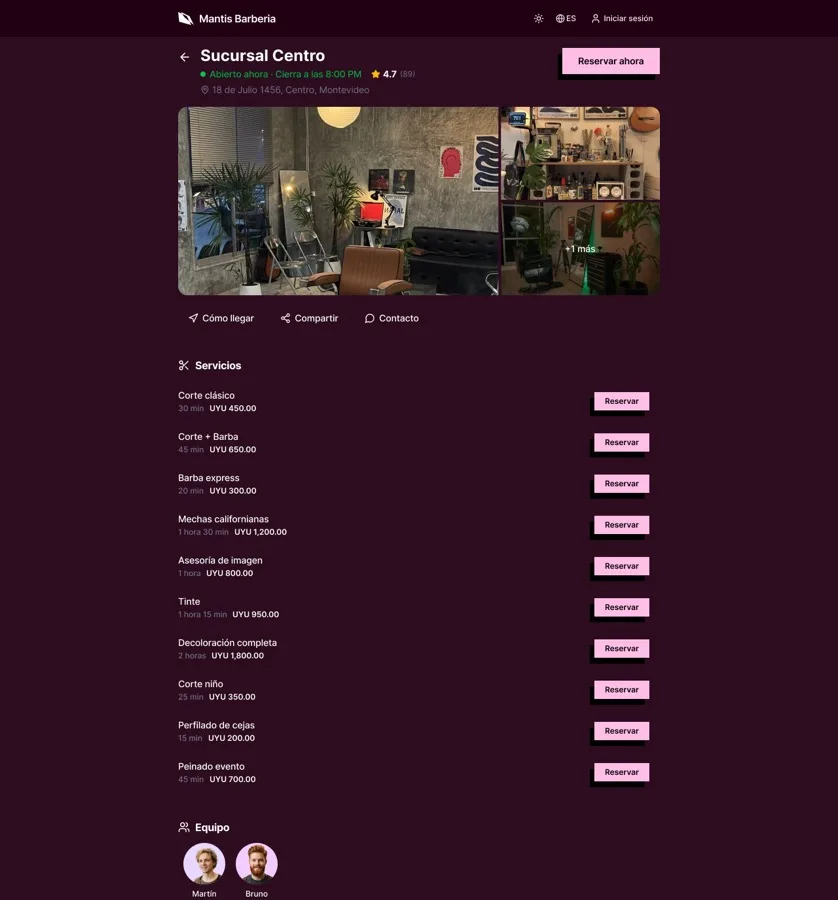
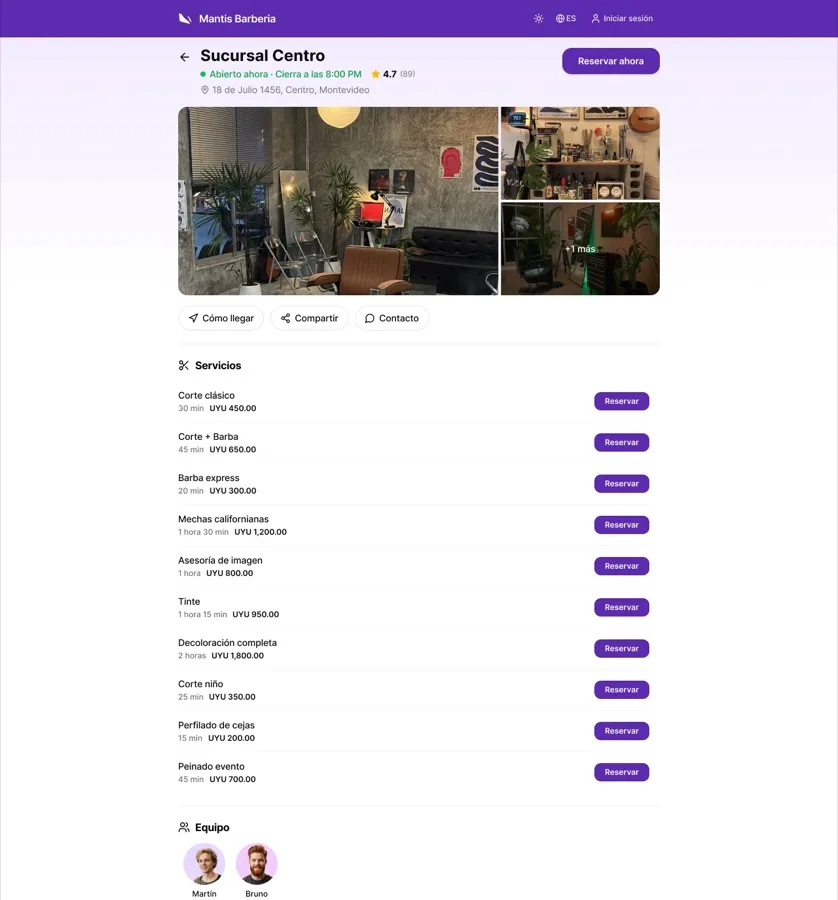
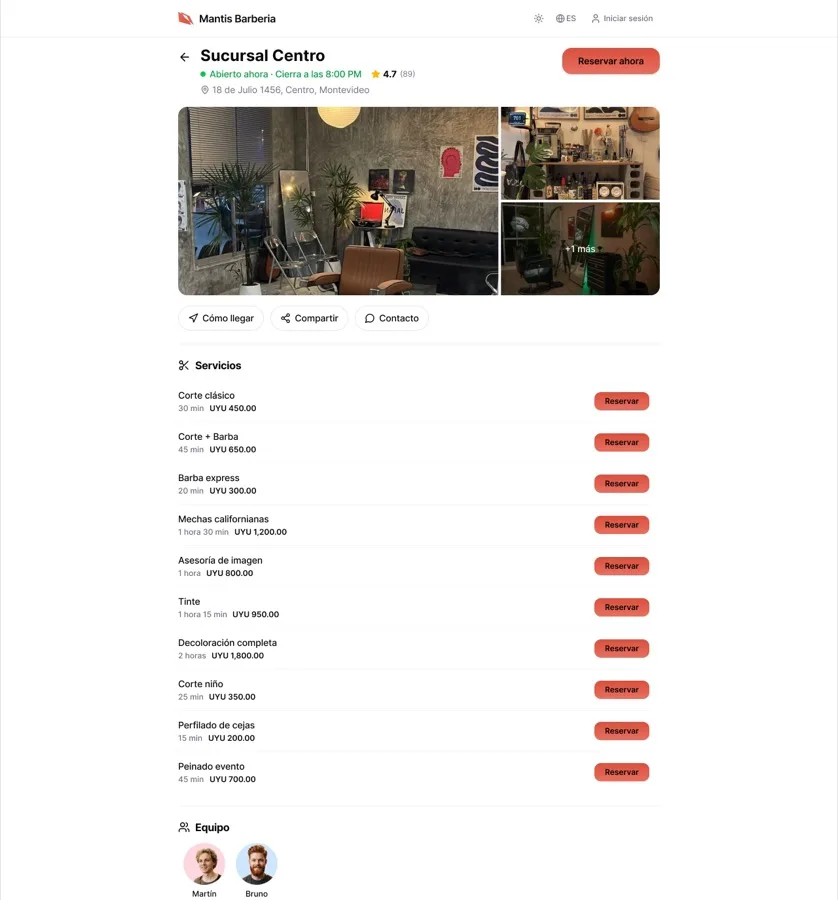
White-label surface
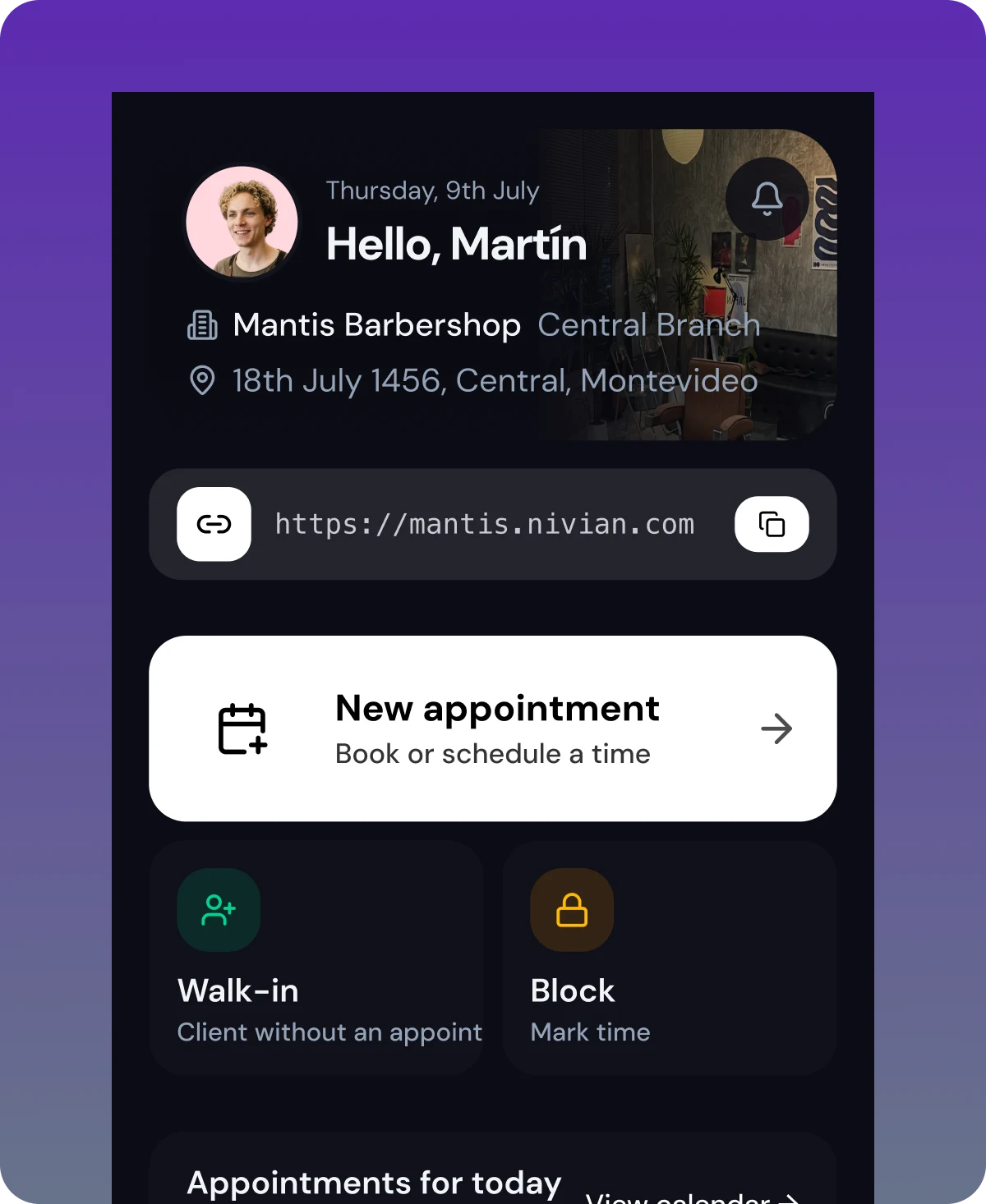
A white-label surface: every shop sets its own colours, logo and typography, so the public page carries the business identity and not the platform's.
Product thesis04
Every agenda on the market asks the barbershop to adapt to it. This one adapts to the shop: its colours, its logo, its typography, its offers, its regulars. The platform's job is to disappear behind the business. The business's job is to keep the client.
What we built
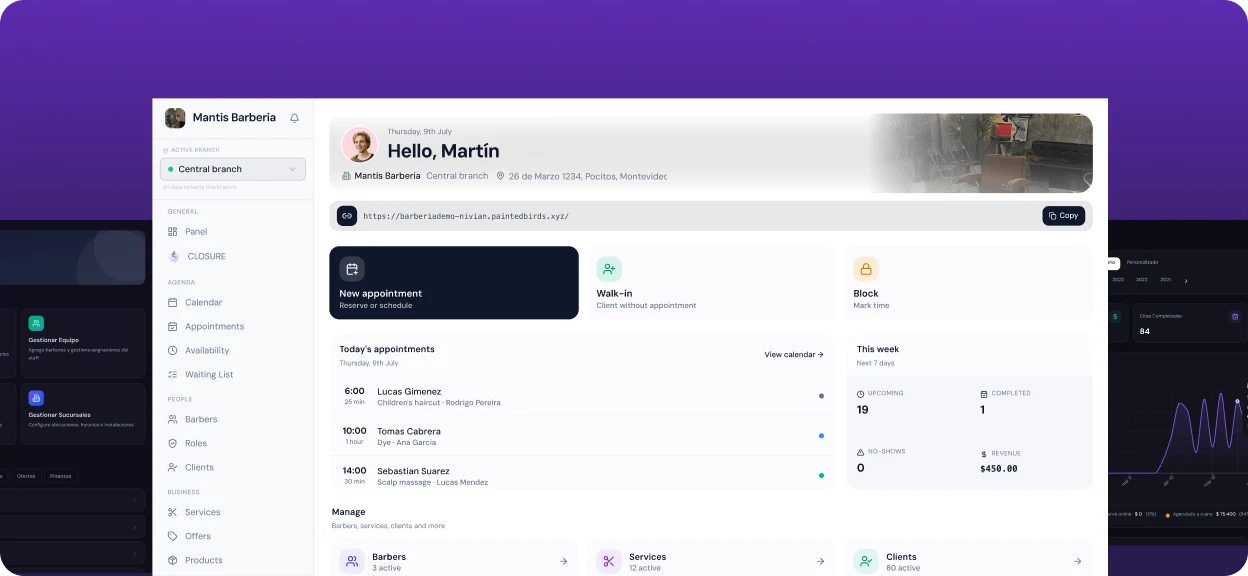
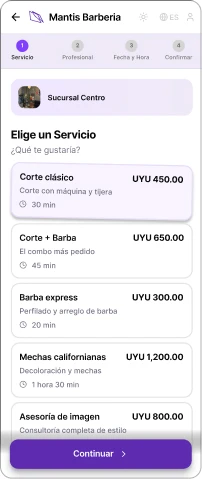
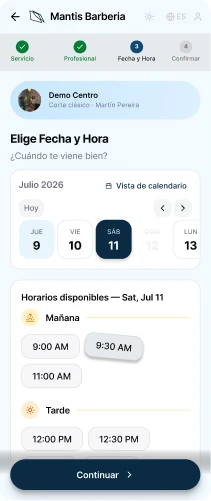
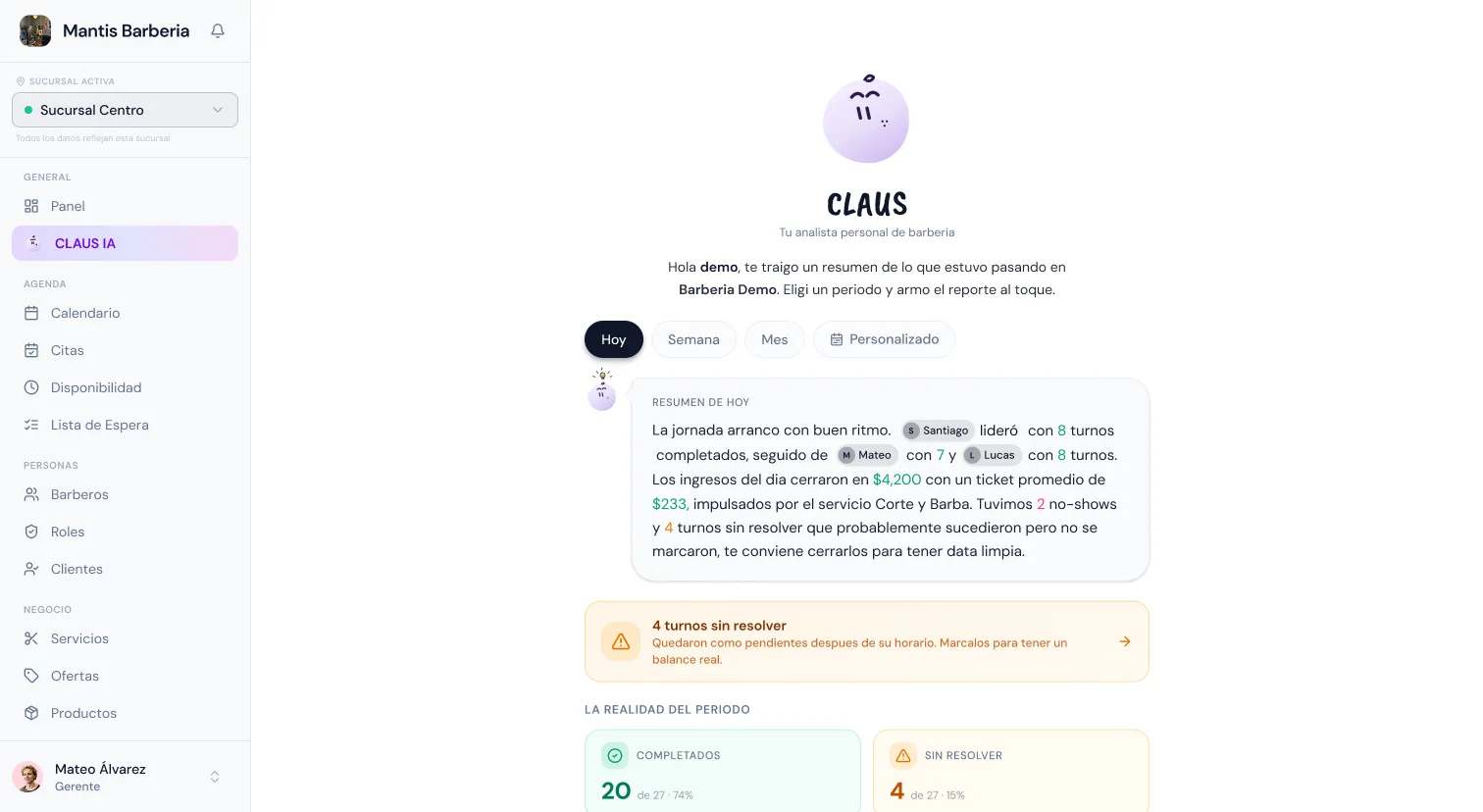
An account-free booking flow, a backoffice built around today, loyalty and offers that run between visits, and CLAUS reading the numbers back in plain language.
Scope of work05
What the work covered
Made by barbers, for barbers
The client cuts hair. Every decision was checked against a real shop instead of against a generic scheduling SaaS, and the product was allowed to stay narrow. No attempt to sell the same agenda to dentists and tattoo studios.
Book without forcing an account
Every required signup is a client lost. The booking flow works end to end without one, so the friction sits with the shop rather than with the person trying to get a haircut.
Loyalty built in, not bolted on
Five cuts and the sixth is free. Offers, promotions and benefits run inside the platform, so the reason to come back belongs to the shop rather than to whoever posts most on Instagram.
A channel that stays open between visits
The shop can reach its regulars and the regulars can reach the shop. Without that, a booking tool goes quiet for four weeks at a time and the relationship goes quiet with it.
The details that keep someone in the chair
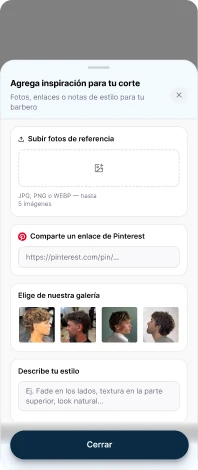
The music you listen to, how you take your coffee, the cut you always ask for, references pulled from Pinterest. Answered once and held by the shop, so the next visit starts where the last one ended.
AI where it reads the work back
CLAUS answers business questions in words instead of charts, because the person asking is a barber. On the client side the same idea points the other way: references and face shape turned into a suggestion the barber can actually use.
Reject one interface for every role
A single permission-heavy interface made every role carry irrelevant complexity. Owner, employed barber, independent barber and client each got a distinct view of the same underlying data.
Keep the data honest
A Catchup flow closes out pending appointments so the history stays accurate. A scheduling system that drifts from reality stops being used within a month.
Product outcomes06
What the platform is actually for
The measure was never bookings per week. It was whether a shop still had a relationship with the person four weeks after the haircut, and whether the software belonged to the barber or to whoever he was renting it from.
- The relationship outlives the appointment
- Offers, promotions and messages run inside the same product as the booking, so the shop has somewhere to be present between visits instead of hoping for a scroll past on Instagram.
- A reason to come back that is not price
- Five cuts and the sixth is free, held by the platform rather than by a paper card someone loses. The loyalty belongs to the shop, and it is legible to both sides.
- The shop keeps what it learns
- History, references, the music, the coffee, the cut. Details a good barber already carries in his head, written down where the whole shop can use them and where they survive a barber leaving.
- The software belongs to the barber
- The shop still pays a subscription, but for a system carrying its own name, its own colours and its own loyalty, built narrow enough to be right for barbershops instead of broad enough to be sold anywhere.
Why it stays narrow
The obvious commercial move is to widen it: the same agenda for salons, clinics, studios. The client, who cuts hair for a living, wanted the opposite. Made by barbers, for barbers, and specific enough that the small things a barbershop lives on are in the product rather than around it.
Design system07
Colour and type
- Brand violetHex: 7C3AED
- Violet lightHex: A78BFA
- LavenderHex: ECE5FB
- CreamHex: FAF6F0
- SkyHex: D8ECF7
- InkHex: 0A0A0A
Display
Fraunces
Set in italic for every headline. The one warm, human thing on a screen otherwise made of panels and prices.
Interface
DM Sans
Everything the product runs on: services, times, names and numbers. Optical sizing, so a price at 12px holds up next to a heading at 40.
Outcome
- A complete platform, designed and built from scratch: booking, client history, backoffice, loyalty and an AI assistant.
- A white-label public page, so each barbershop keeps its own identity instead of wearing the platform's.
- A product deliberately narrow: built for barbershops rather than sold as a generic agenda with the labels changed.
- A software studio arrangement rather than a one-off delivery: the client's ideas turned into a roadmap and a system that keeps absorbing them.